
BURNHAM CAMP WASTEWATER TREATMENT PLANT DECOMMISSIONING

DURATION
Mar 2025 – Sep 2025
CLIENT
New Zealand Defence Force
CONSULTANT/DESIGNER
Beca
VALUE
$2,600,000.00


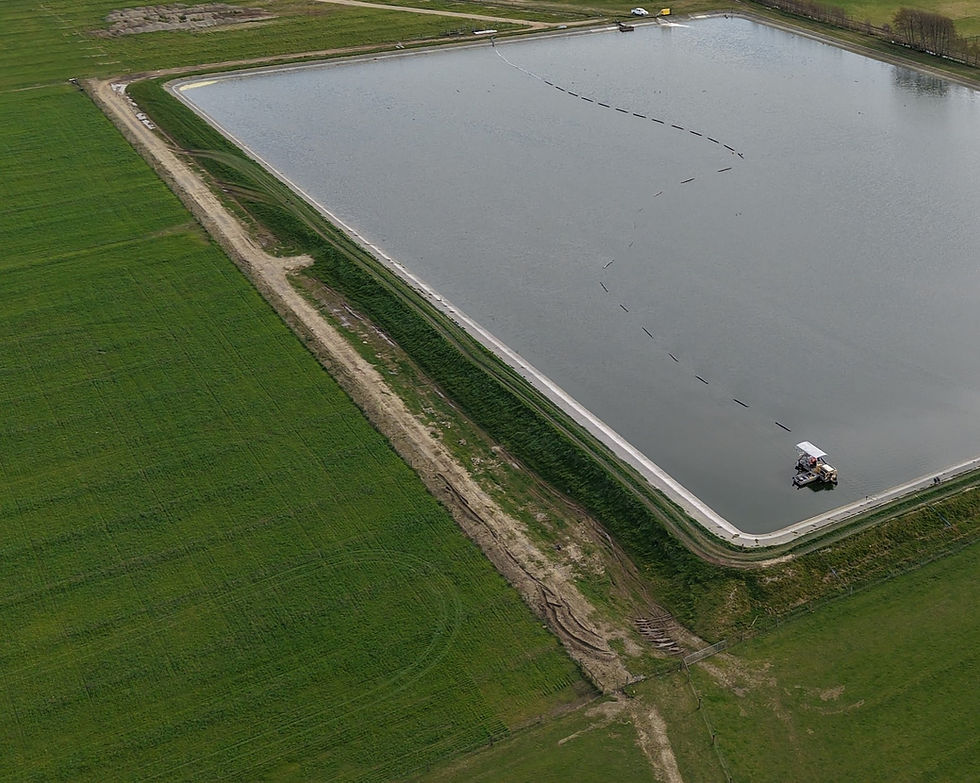
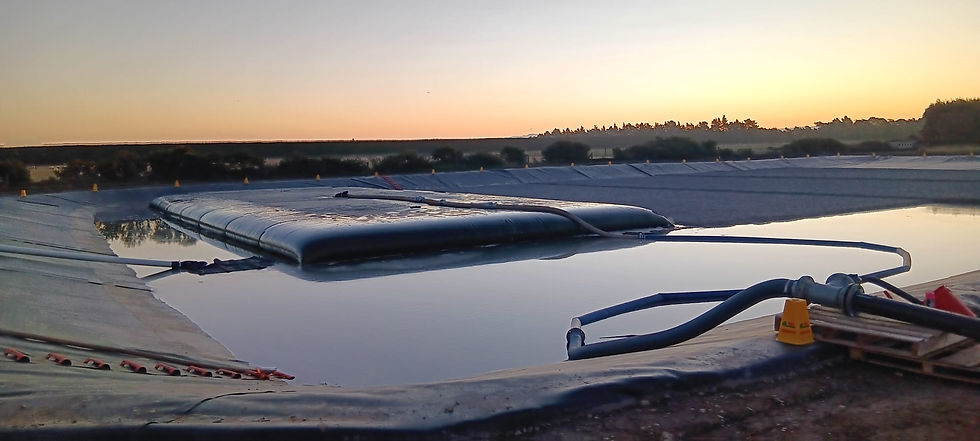
Hunter Civil have been engaged by the NZ Defence Force to decommission and remove the now redundant wastewater treatment pond and surrounding buildings/structures that previously served the Burnham military camp. To allow the main wastewater pond to be decommissioned the built-up wastewater sludge material at the bottom of the existing pond needed to be removed, this process needed to limit the amount of odour emitting from the area. Prior to any sludge removal an existing overflow basin was reshaped and lined with a HDPE liner to provide a sealed drying and drainage area for the geobags to be stored to dry the sludge material.
Hunter Civil has engaged a specialist dredging and water treatment subcontractor (Southwater) to complete the dredging works (currently still underway). The sludge material will be stored in the geobags within the drying area until the material inside has dried to the specified moisture content. The excess leachate that drains from the geobags will drain out and be pumped into the nearby wastewater network for treatment at the Pines wastewater treatment plant.
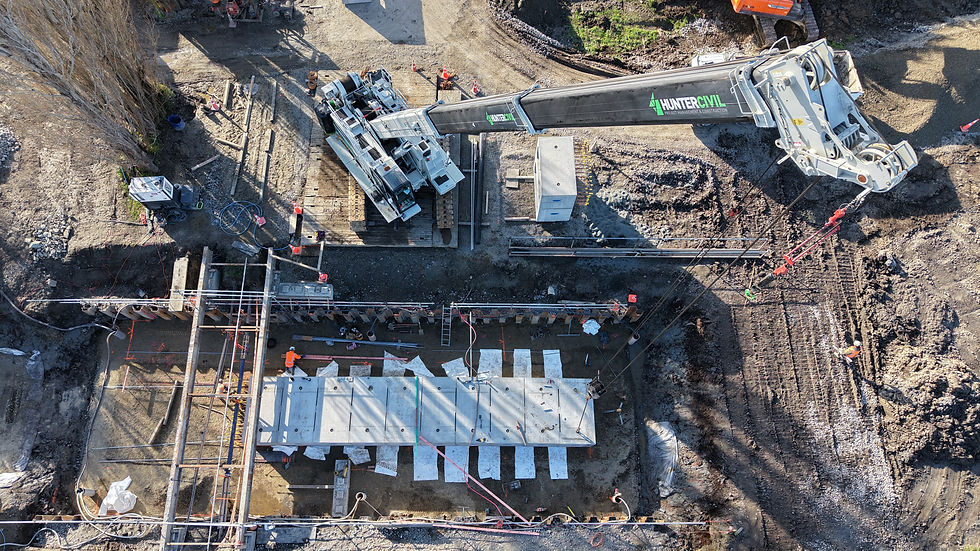
Once the sludge material has been removed from the existing pond the remaining leachate material will be drained from the pond. The pond area will then be filled with imported fill material and reinstated with topsoil so that the area is a flat usable. The existing buildings, pipework and chambers used in the operation of the treatment plant are required to be demolished. Due to asbestos and contaminated ground identified onsite, a specialist asbestos removalist has been engaged to clear the buildings and allow safe demolition of the structures and removal of the contaminated material in the area. Once all structures are removed the area will be levelled and reinstated with topsoil and grass for future use by the client. This project involves various consent requirements that need to be strictly followed, due to the materials that are being dealt with and to protect the adjacent waterways.